

“Ciencia para Todos” is a scientific divulgation section, which aims to bring the developed investigative research from the lab closer to different community actors. Also, you can learn in detail a scientific divulgation initiative called “Naturaleza Intrusa”, associated to the LIB, which target is to bring the community closer to the problematic of biological invasions through a digital platform, raising awareness to the community about the impacts that have invasions on biodiversity.
We invite you to download educational material, posters, abstracts, and to inform you about our next activities.
INVASIVE SPECIES
DID YOU KNOW?
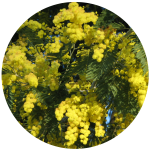 The aromo seed are transported by the rivers, allowing them to travel many miles.
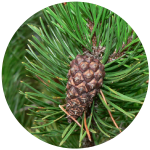 At five year old, the pinus contorta starts to produce seeds.
DID YOU KNOW?
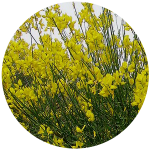 The fruits of retama, when it opens ejects its seeds up to 4 meters distance.
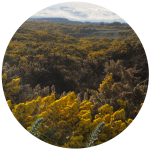 The caven is one of the 100 exotic species most harmful in the world.
DID YOU KNOW?
 The water hyacinth causes low eater levels in lagoons because its high transpiration rates.
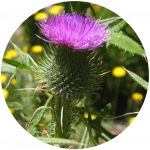 There are more than 1,000 feral exotic species in Chile.
DID YOU KNOW?
 Pidgeons, highly distributed species, can carry diseases to humans.
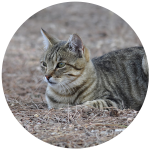 Feral cats eats birds, rodent, marsupials and native reptiles.
DID YOU KNOW?
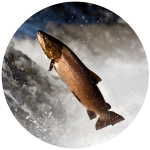 Salmon is not native of Chile, and constitutes a threat to native fishes.
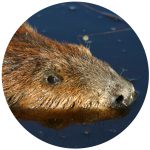 Beavers chops native trees to build theirs beavers’ dams, forming true dams across Patagonia rivers.
INVASIVE SPECIES
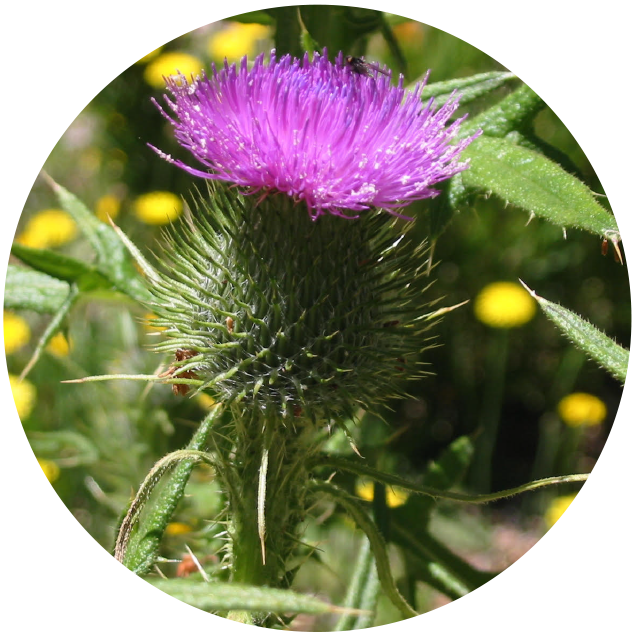
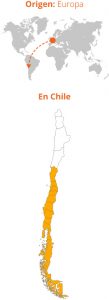
Black thistle. Year and reason for introduction: 1850, forage. Dispersion agent: its seed are transported by wind, water and animals. Characteristic that make it invasive: its seed can germinate quickly, when it found the right conditions. Fire favours its disemination and development. Main impacts: can invade natural grassland, covering wide superficies, competing for water, nutrients and space, displacing native vegetation. Abundant in areas with human intervention such as agricultural prairies, forest recently burnt and/or chopped, shores of roads, ditches and fences.
NATIVE VS. EXOTIC
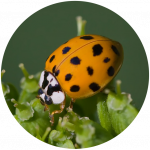
Exotic: harlequin. The harlequin ladybeetle comes from Asia, and it has a wide range distribution around the world. Recognizable for its big size in comparison with the rest of the ladybeetles, it goes up to 6,5 and 8 millimiters. It has a red orange color, with nine black dots in each wing case. It is a voracious species, that not only eats “pulgones”, but also from the batch of native ladybeetles. Also, it differs from other species for forming large groups with lots of individuals.
DID YOU KNOW?
The aromo seed are transported by the rivers, allowing them to travel many miles.At five year old, the pinus contorta starts to produce seeds.
DID YOU KNOW?
The fruits of retama, when it opens ejects its seeds up to 4 meters distance.The caven is one of the 100 exotic species most harmful in the world.
DID YOU KNOW?
The water hyacinth causes low eater levels in lagoons because its high transpiration rates.There are more than 1,000 feral exotic species in Chile.DID YOU KNOW?
Pidgeons, highly distributed species, can carry diseases to humans.Feral cats eats birds, rodent, marsupials and native reptiles.DID YOU KNOW?
Salmon is not native of Chile, and constitutes a threat to native fishes.Beavers chops native trees to build theirs beavers’ dams, forming true dams across Patagonia rivers.News for everyone

(Español) Se inician grabaciones de serie de televisión documental “Invasores”
(Español) Laboratorio de Invasiones Biológicas realiza workshop en Malalcahuello para abordar avances y desafíos en investigación

World Environment Day
This Friday, June 5th is the #DíaMundialDelAmbiente And this year's theme is biodiversity. In Chile, we have destroyed and degraded our ecosystems, we have encouraged the loss of habitats, the extraction of resources and the arrival of invasive species, without...


Abstracts